
Filter posts by category

Cutting Tips

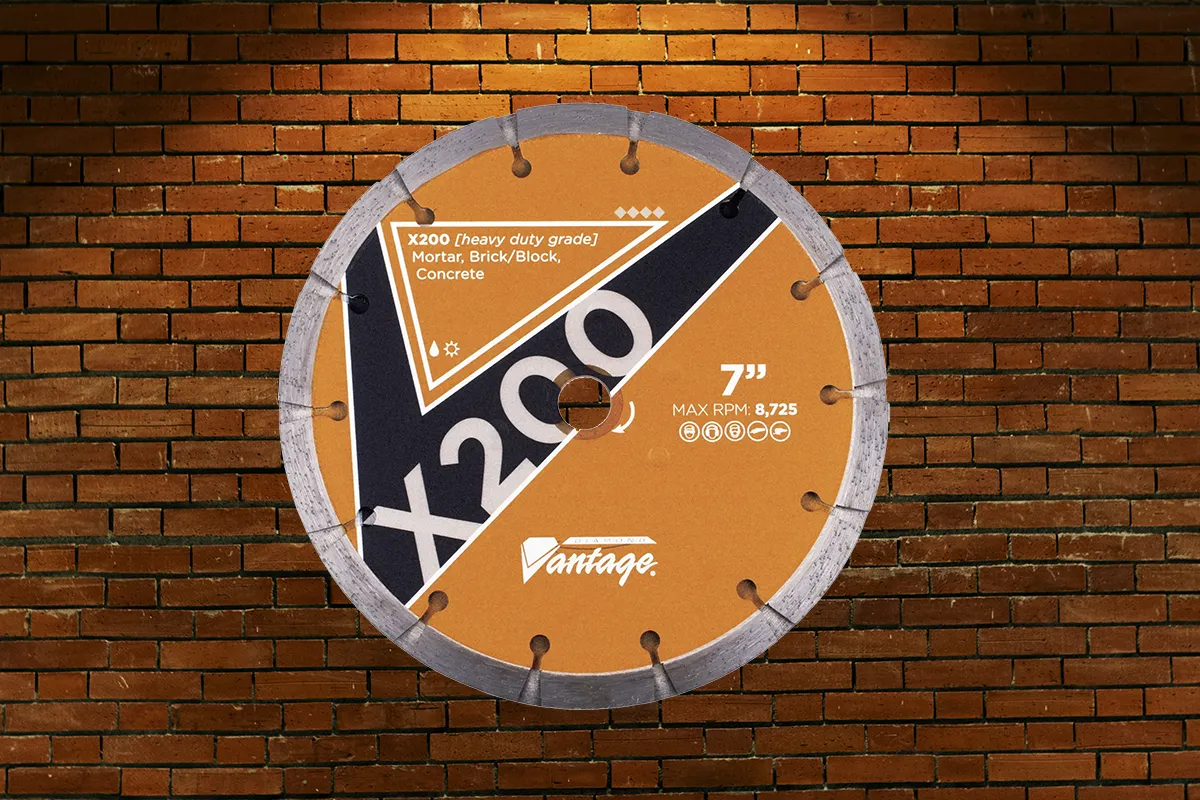
An orange Diamond Vantage X200 heavy-duty tuck point blades for mortar, brick, and concrete, hanging under a spotlight on a brick background.

Tuck Point Blades: 5 Tips for Better Brickwork

The most common mistake contractors and homeowners make when using tuck point blades  is “over-cutting.” This happens when the diamond blade travels beyond the mortar joint and slices into the top or bottom of the brick. These scars, often called “shiners” or “over-cuts,” are permanent. They weaken the masonry and create an amateur look that

Tuck Point Blades: 5 Tips for Better Brickwork Read More »

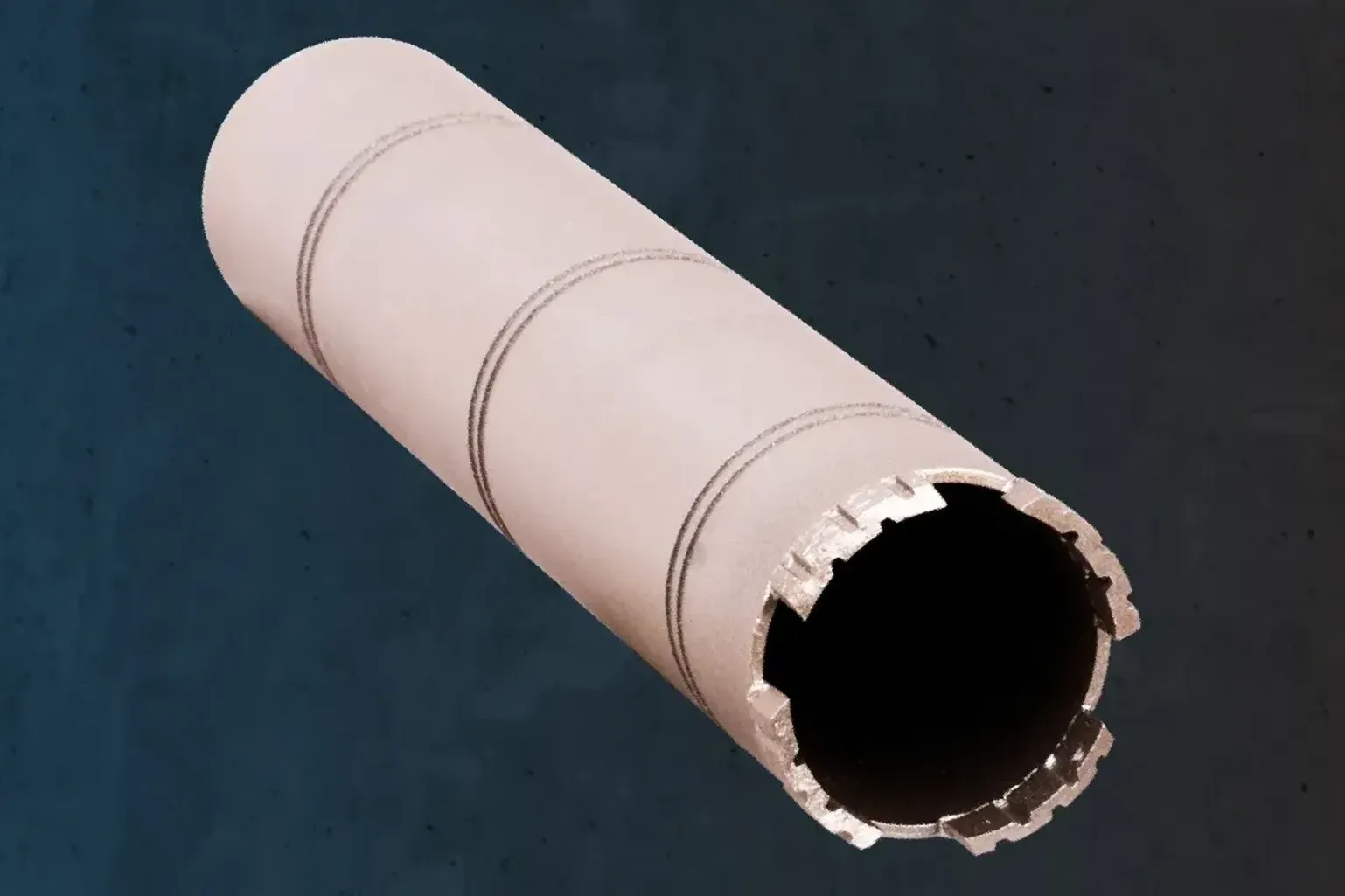
Diamond core drill bit with segmented cutting crown for concrete and masonry drilling

Diamond Core Drill Bits: How to Choose the Right Bit for Concrete and Masonry

Diamond core drill bits provide clean, accurate drilling in concrete, masonry and light block. Contractors rely on them for running conduit, installing anchors, and coring walls for plumbing or HVAC. Choosing the right core bit directly affects drilling speed, hole quality, and overall tool life. This guide explains how diamond core drill bits work, the

Diamond Core Drill Bits: How to Choose the Right Bit for Concrete and Masonry Read More »

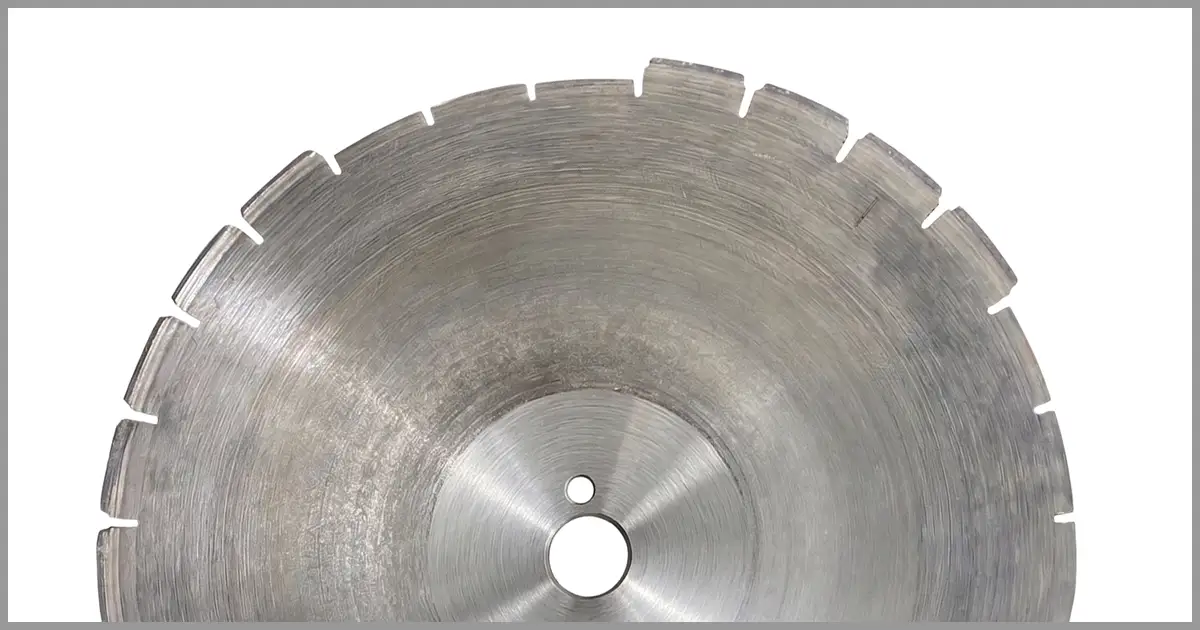
A damaged diamond saw blade with missing cutting segments on the edge.

5 Signs You’re Using the Wrong Diamond Blade for the Job

However, using the wrong blade can lead to poor results, increased costs, and even equipment damage. This guide will help professional contractors identify the five most common signs that indicate they’re using the wrong diamond blade for the job, along with tips to resolve these issues. 1. Premature Blade Wear The Problem If your diamond

5 Signs You’re Using the Wrong Diamond Blade for the Job Read More »

Shopping Cart
Scroll to Top